Popes, Famous Figures, Travelers and Cinema: Bolsena Through the Stories of Great Personalities
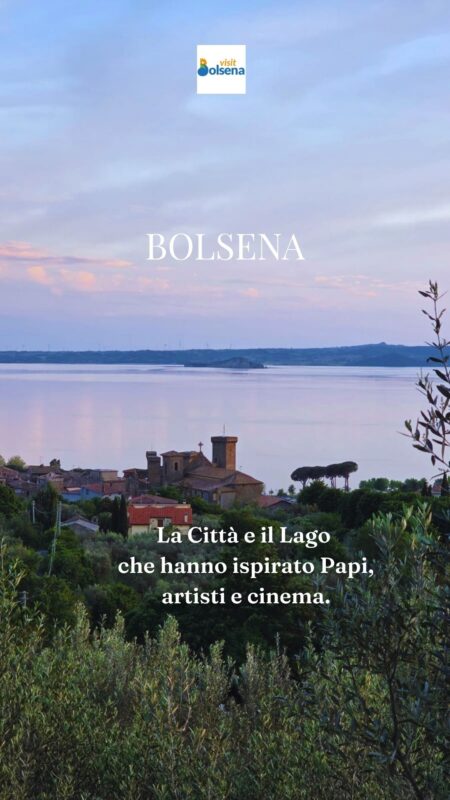
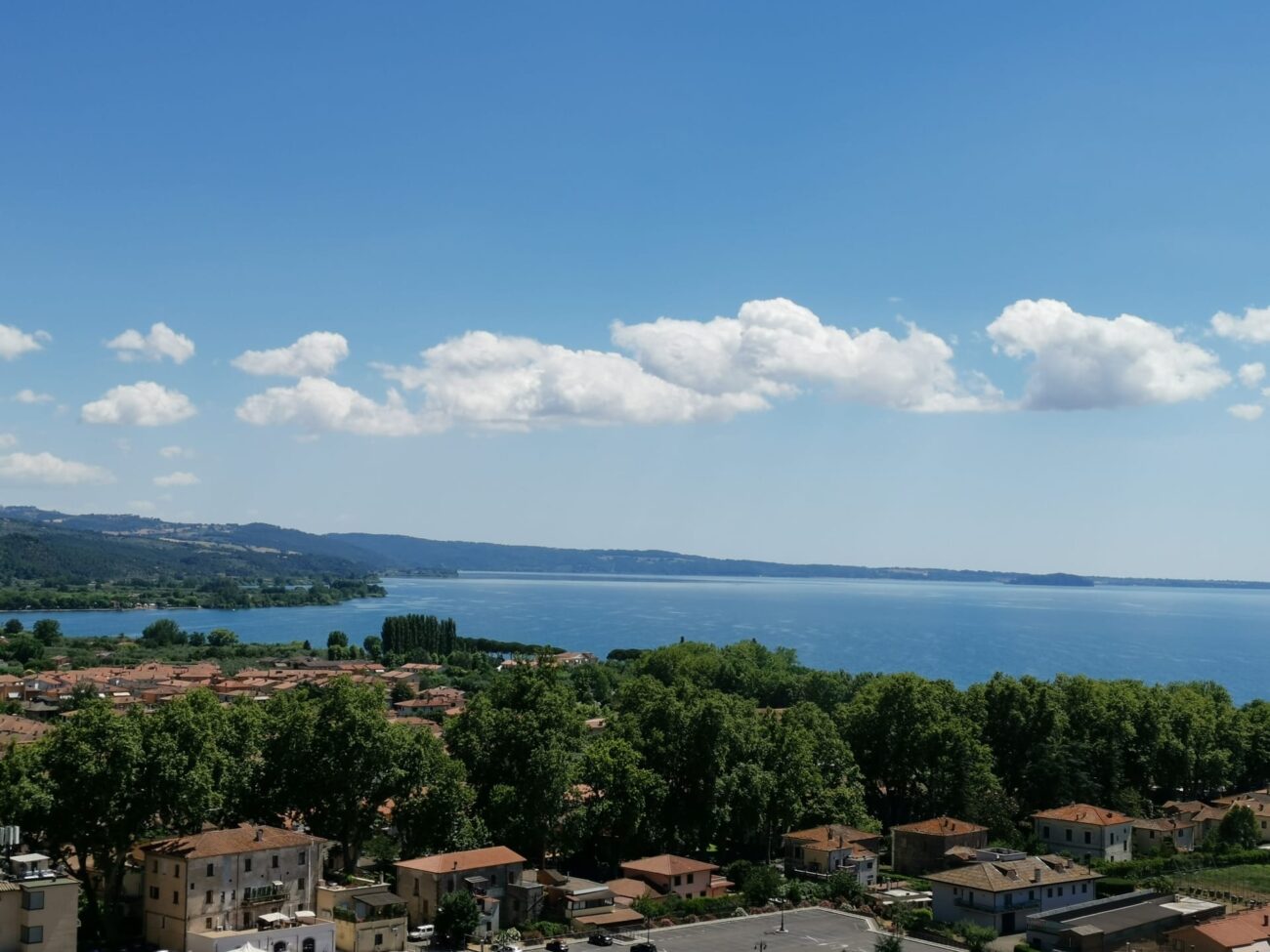
Over the centuries, Bolsena and its lake have welcomed popes, artists, writers and travelers from all across Europe. The shores of Lake Bolsena left a deep impression on those who passed through, becoming the subject of letters, diaries, literary works and travel memoirs.
The history of Bolsena is not made only of monuments and landscapes: it is also a story of encounters, emotions and testimonies left behind by illustrious figures who stopped here to pray, observe, travel or simply find inspiration.
The popes and the spiritual connection with Bolsena
Among the most important visitors to Bolsena were numerous popes. One of the most famous was Pope Martin IV, remembered by Dante Alighieri in the Purgatorio for his passion for lake eels cooked with Vernaccia wine.
Another important visitor was Pope Pius II, who in his Commentarii described a fascinating boat competition among the lakeside villages held in his honor.
Many popes also venerated the relics connected to the famous Eucharistic Miracle of Bolsena, including Julius II, Clement VII and Paul III.
In 1815 Pope Pius VII stopped in Bolsena while returning from Napoleonic exile. The pope’s arrival attracted large crowds from the surrounding area.
Later, Gregory XVI, Pius IX and Pius XII also visited the town.
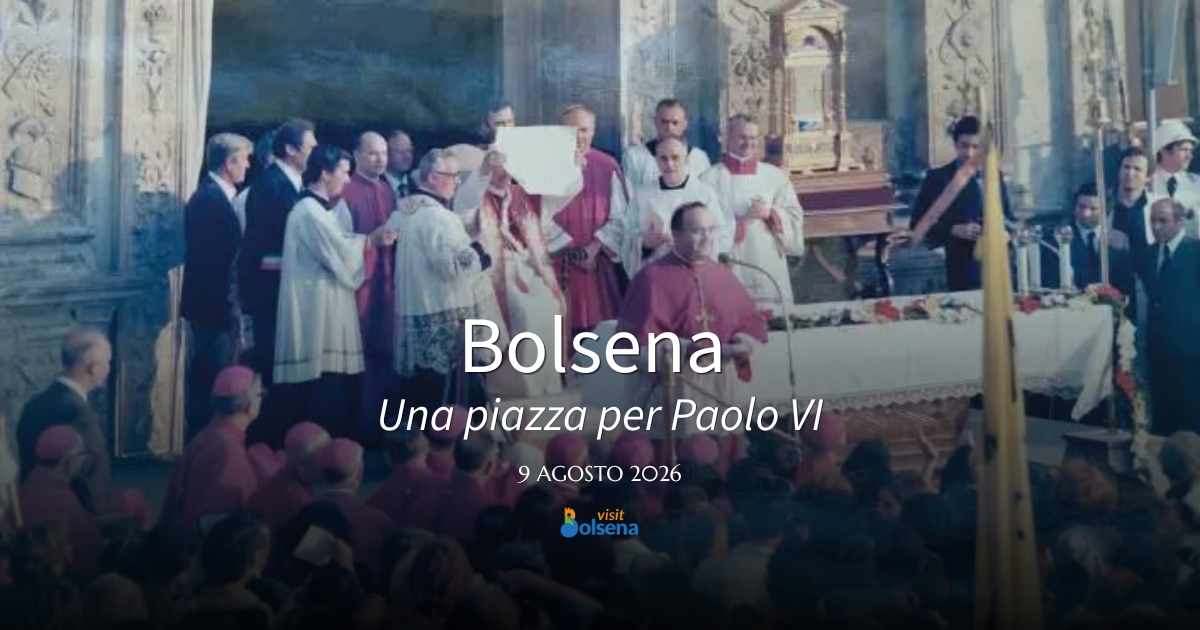
In the twentieth century, Pope Paul VI came to Bolsena to inaugurate the International Eucharistic Congress in 1976 at the Basilica of Saint Christina.
Petrarch, Montaigne and the Grand Tour
In 1350, during his journey to Rome for the Jubilee, Francesco Petrarch passed through Bolsena and wrote to Giovanni Boccaccio about a curious episode: he was kicked by a mule during his stay in town. Despite the incident, he also praised the delicious lake eels.
At the end of the sixteenth century, Michel de Montaigne was impressed by the vegetation surrounding the lake, describing the landscape as wild and deeply evocative.
With the rise of the Grand Tour, Bolsena became one of the cultural destinations visited by European travelers. During the eighteenth century, Montesquieu also stopped here, although he left less enthusiastic impressions of the town.
Quite different was the account of the Marquis de Sade who, in his Voyage en Italie of 1775, admired the lake’s light and the magnificent panorama of the basin and its two islands.
Goethe and the charm of the medieval town
Among the most illustrious travelers connected to Bolsena was undoubtedly Johann Wolfgang Goethe.
During his famous Italian Journey in 1788, Goethe crossed the Tuscia region along the ancient Via Cassia and was fascinated by the sudden view of Lake Bolsena arriving from Montefiascone. Once in town, he stopped briefly and sketched parts of the medieval village.
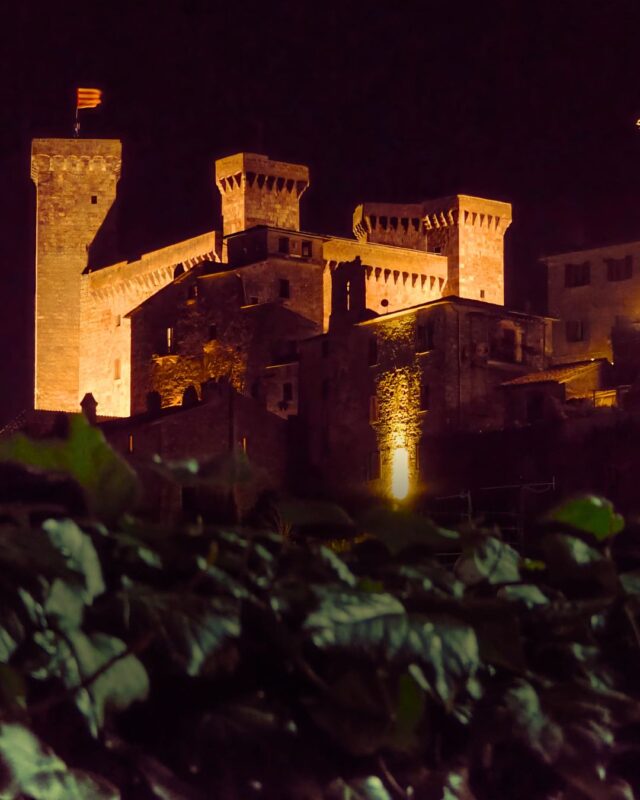
In particular, the poet and artist was captivated by the Rocca Monaldeschi della Cervara, the fortress that still dominates Bolsena’s historic center today.
Turner, Giusti and George Dennis
During the nineteenth century, Bolsena continued to attract artists and scholars from across Europe.
The English painter J.M.W. Turner created views inspired by the landscapes between Orvieto and Bolsena, capturing the beauty of the territory.
Italian poet Giuseppe Giusti also described the lake enthusiastically during a journey in 1844, praising the panorama, the medieval castle and the ancient caves carved into the tuff stone.
In the same period, British archaeologist George Dennis, author of The Cities and Cemeteries of Etruria, described Lake Bolsena in almost poetic terms, portraying it as a natural amphitheater filled with light, colors and lush vegetation.
Berlioz, Dickens and Freud
In the following century, Bolsena was visited by important figures of European culture.
French composer Hector Berlioz described the lake basin as “a delightful Eden.”
Very different was the impression of writer Charles Dickens, who portrayed the lake with melancholic tones during an evening journey marked by bad weather and deserted roads.
Particularly interesting was the stay of Sigmund Freud in 1897. The founder of psychoanalysis spent several days between Orvieto and Bolsena during a trip through Italy.
For Freud, the lake represented a place rich in personal and symbolic meanings. Here, memories resurfaced of his youthful studies on eels, along with emotional associations connected to the name “Marta,” the village overlooking the lake.
Bolsena and cinema: the lake that inspires the big screen
Over the years, Bolsena and its lake have fascinated filmmakers and film productions thanks to their evocative landscapes, medieval scenery and timeless atmosphere.
Among the first movies entirely set on the lake was Violenza sul lago, the film that marked the cinematic debut of actress Virna Lisi.
Contemporary Italian cinema also chose the Lake Bolsena area as a natural setting. Carlo Verdone filmed scenes from Stasera a casa di Alice on Bisentina Island, enhancing the mysterious and silent charm of the island.
In 1985, director Mauro Bolognini selected Bolsena as the location for several scenes of the film La venexiana.
Even today, Lake Bolsena continues to attract film productions and artistic projects, confirming its reputation as one of the most fascinating and authentic landscapes in central Italy.
To learn more about the history of Bolsena
For those who wish to explore more deeply the history of Bolsena, its famous visitors and Lake Bolsena itself, an important source is the book Bolsena, guida alla scoperta by Antonio Quattranni.
Bolsena, a place that continues to inspire
From Dante to Freud, from Goethe to Italian cinema, Bolsena has continued for centuries to leave a lasting impression on those who visit it.
Its strength lies in the unique combination of spirituality, history, landscape and atmosphere. Anyone arriving today on the shores of the lake can still experience the same authentic charm that inspired popes, poets, artists and filmmakers throughout the ages.