The Origins of Bolsena
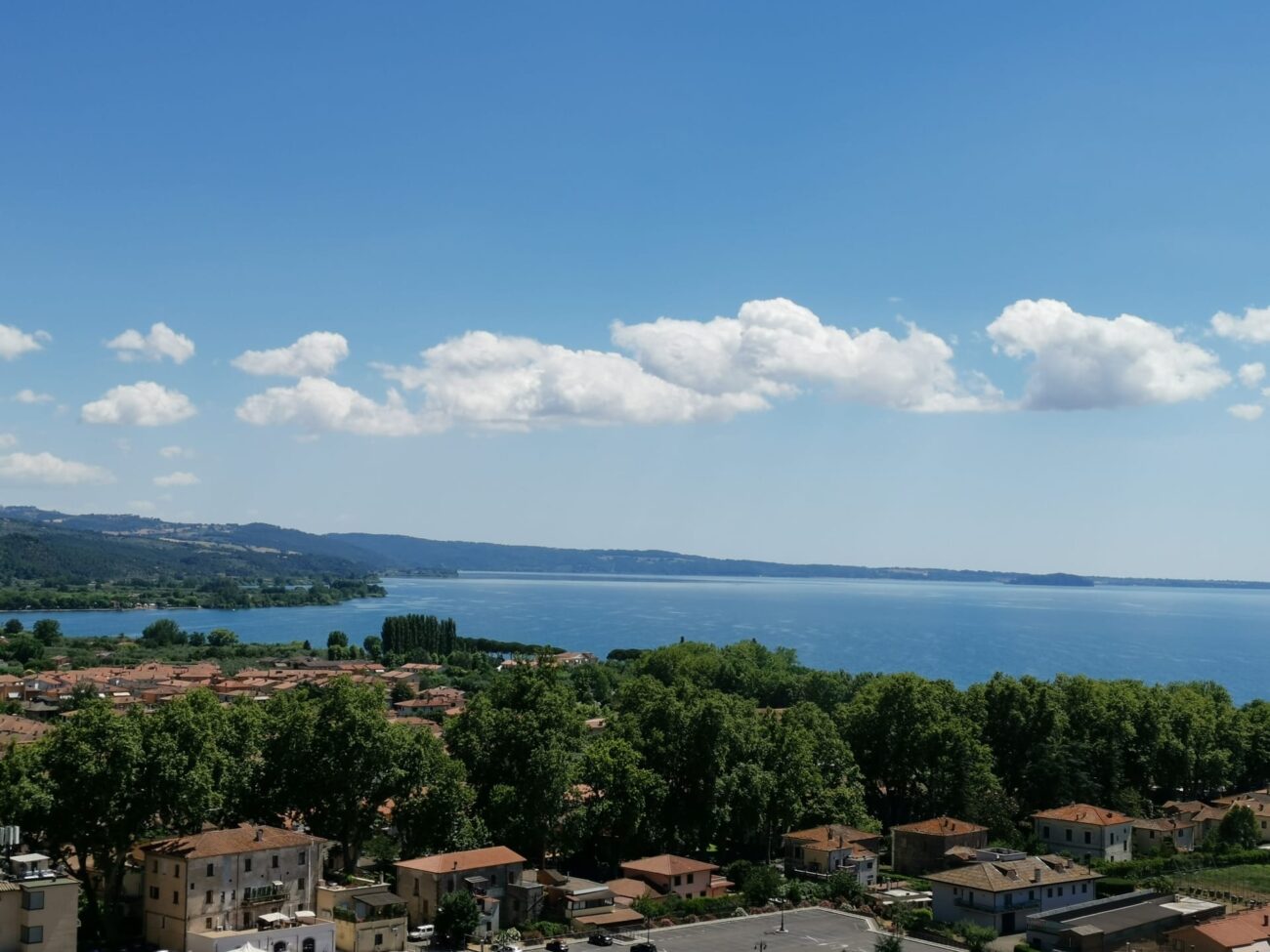
Bolsena is not just a natural pearl overlooking the lake; it is a place where history has left deep traces, from the Paleolithic era to the present day.
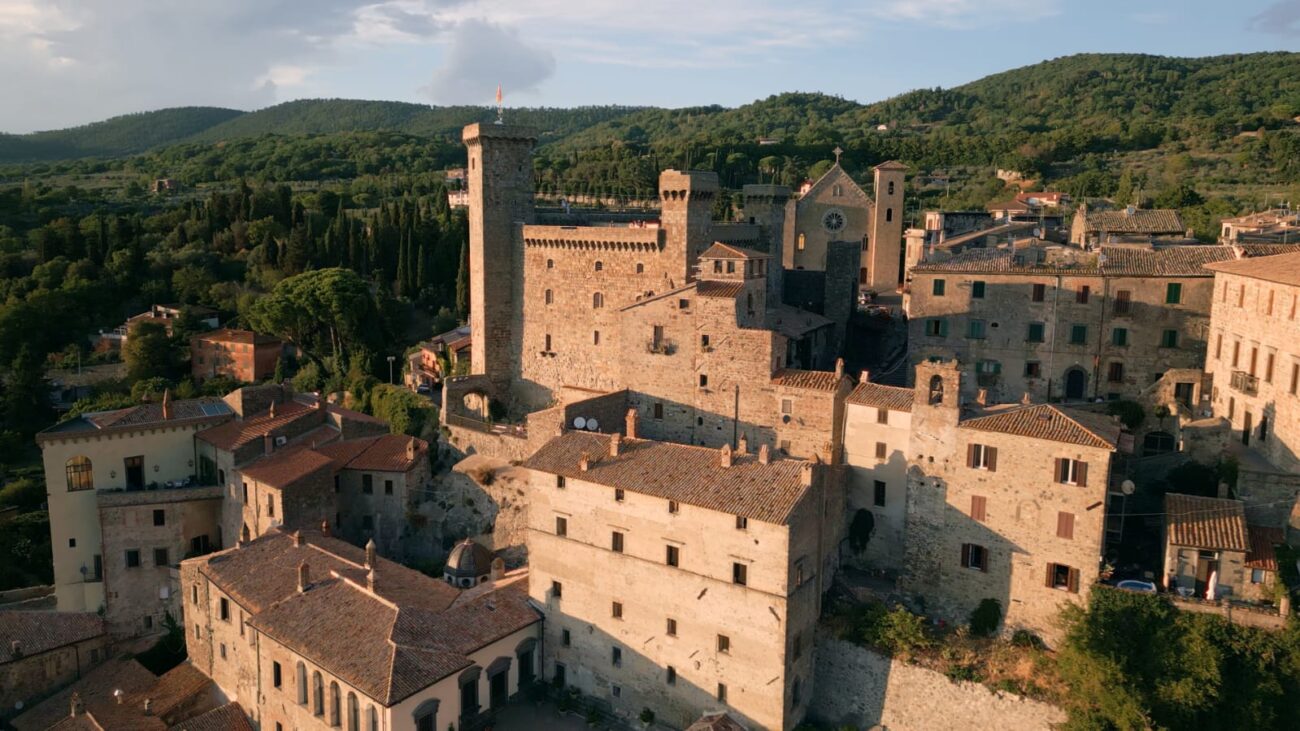
Nestled on the volcanic hills that slope gently towards the water, the town guards the secrets of ancient civilizations that found a home and prosperity here.
Bolsena’s roots lie in a very distant past. As early as the Middle Paleolithic (between 100,000 and 35,000 years ago), the southern slope of the hills was inhabited, as evidenced by the numerous stone artifacts found in the area. With the advent of the Iron Age, the territory saw the birth of important settlements of the Villanovan culture (10th–8th century BC), who were experts in metalworking.
Today, the archaeological area of Poggio Moscini allows visitors to admire the remains of what was once a flourishing “civitas foederata”. Despite the destruction caused by strong seismic shocks linked to volcanic settling phenomena between the 2nd and 1st centuries BC, the city managed to be reborn.
During this period, the city assumed a fundamental strategic importance thanks to its position on the Via Cassia, becoming an obligatory crossing point and a lively cultural center where Etruscan traditions continued to endure for centuries.
Towards the end of the 3rd century AD, Christianity began to spread rapidly in Volsinii. The most impressive testimony of this faith is represented by the strong>Catacombs of Santa Cristina, a monumental complex of extraordinary early Christian importance that still attracts visitors from all over the world today.
the Castle and Santa Cristina.