Gran Carro Underwater Archaeological Trail
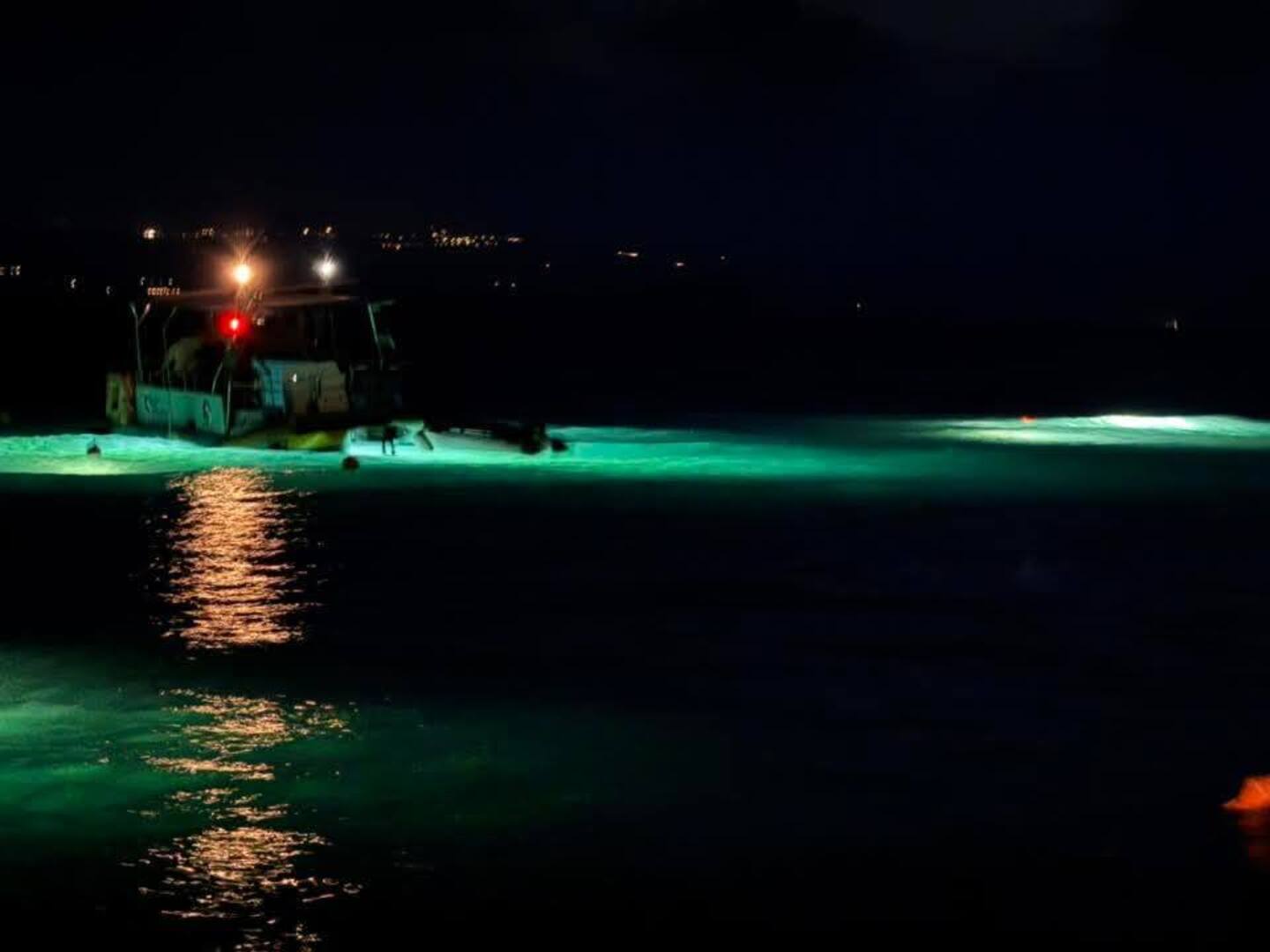
The underwater archaeological path of the Gran Carro di Bolsena is one of the most fascinating and important submerged sites in central Italy.
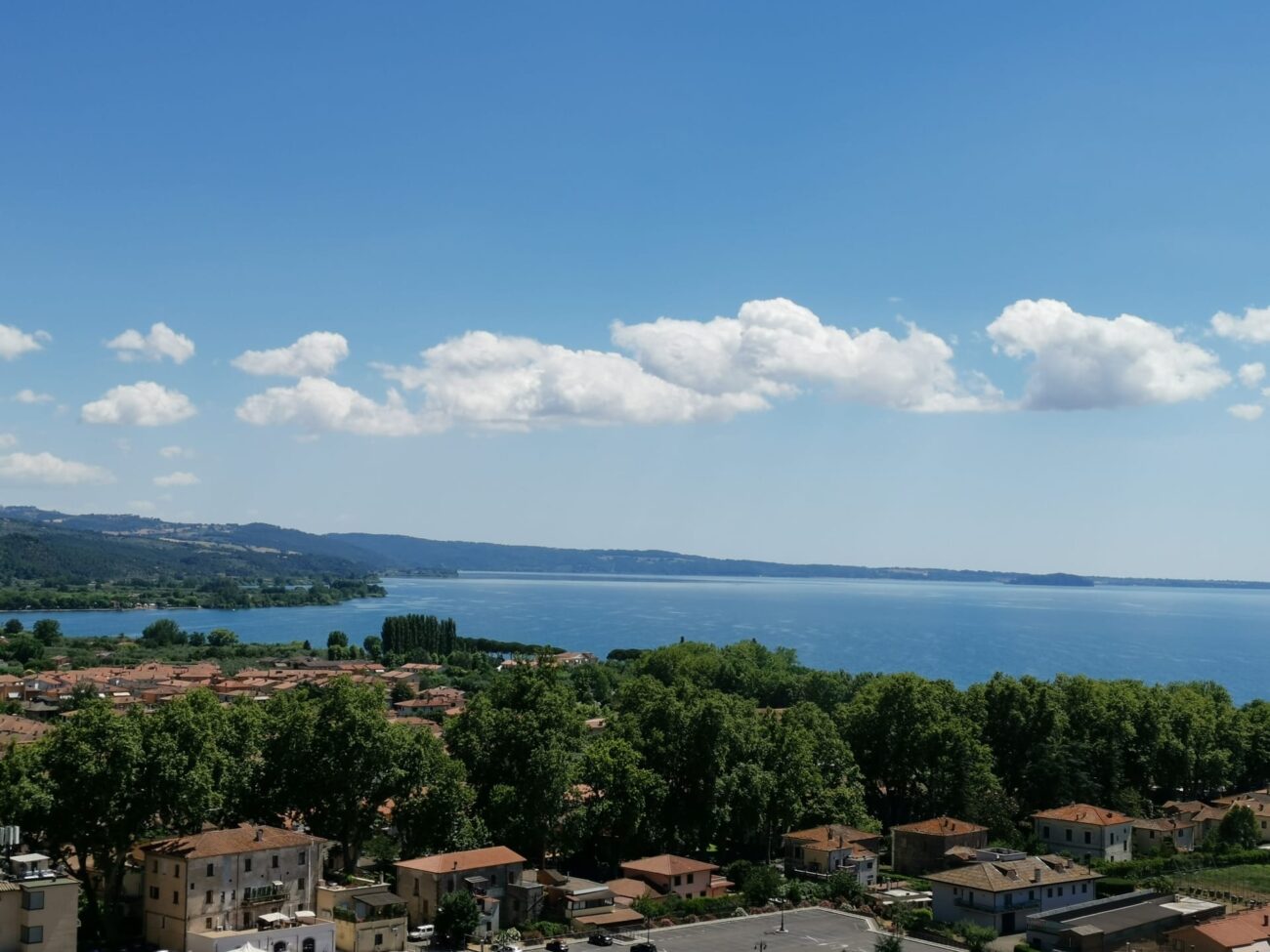
It consists of the remains of an ancient stilt-house village dating back to the Early Iron Age (Villanovan culture, between the 10th and 8th centuries BC), located on the eastern shore of Lake Bolsena.
Discovered in August 1959 by the engineer Alessandro Fioravanti (thanks to a “suspicious shard” noticed by his wife at a depth of 5 meters), the site has yielded extraordinary artifacts over the decades.
In addition to everyday tools,Nuragic bronzes, amber, remains of votive offerings (burnt seeds and animal bones), and even extremely rare fragments of imported pottery have emerged. All this demonstrates how the Gran Carro was a lively crossroads of cultural exchanges between the Mediterranean basin and inland Etruria.
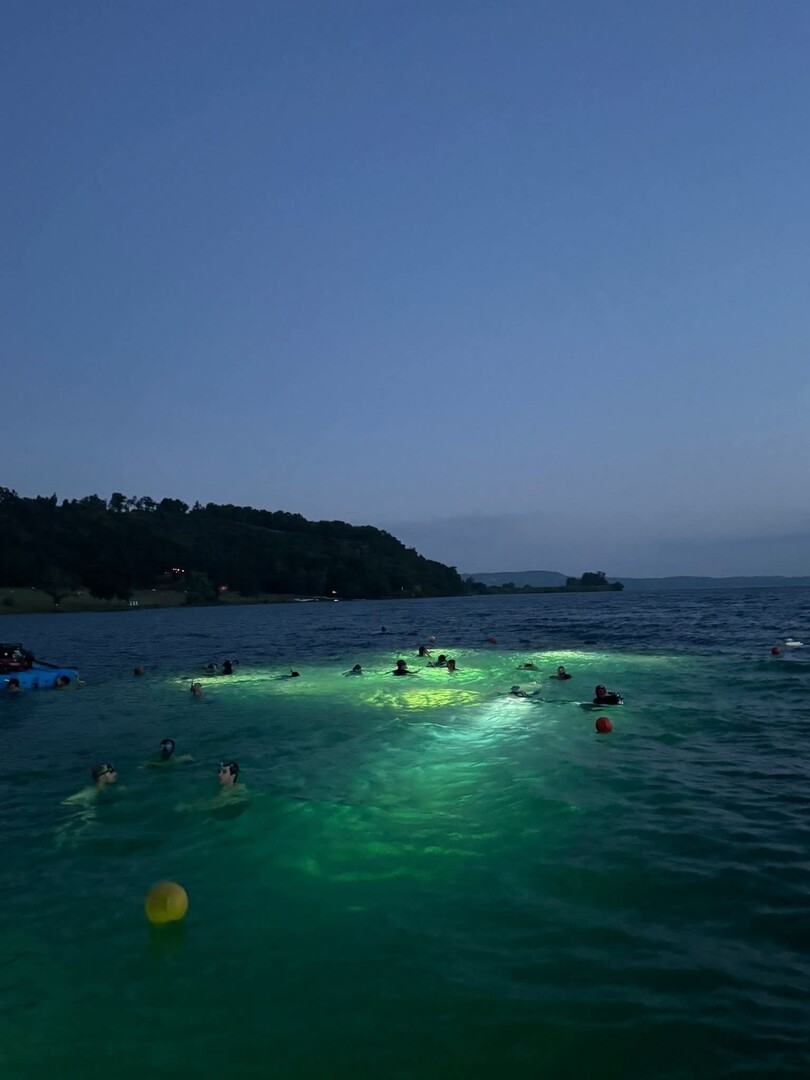
By diving or swimming on the surface, it is possible to admire the tangible traces of life from three thousand years ago:
The Stilt-House Village: Hundreds of wooden poles still driven into the seabed that outline the complex structure of the ancient settlement.
The Aiola: A monumental elliptical accumulation of volcanic stones. It is a cultic and sacred area, built in correspondence with submerged thermal springs. Here, ancient populations performed open-air rituals dedicated to female deities linked to earth and water.
The Artifacts in situ: Along the path, consolidated remains of large biconical vases, stone millstones, jars, and ceramic fragments can be observed, secured to allow visitors to historically contextualize the area.
Recently enhanced, the site has been transformed into a true submerged archaeological park, designed to be accessible and innovative.
Plan Your Visit

Storyteller of the beauty, art, history and culture of Lake Bolsena and its surroundings, territories where I grew up and which I can share with the professionalism and passion of a local tour guide.
9:00 AM / 7:00 PM
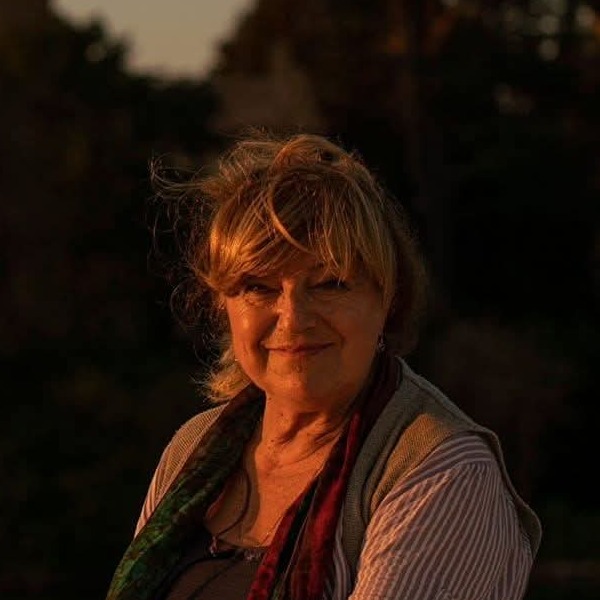
Telling the story of this land is not just about unveiling secrets and frescoes, it is about returning the light that this lake and this town give me every day, with a devotion that transcends time.
9:00 AM / 7:00 PM

My teaching profession has refined my ability to communicate. You cannot teach or illustrate art and creation without sharing a passion for beauty with others. A guide is not a book—it is the synthesis of all books and meaningful experiences from which they have drawn their knowledge, in order to share history and stories with everyone.
9:00 AM / 7:00 PM
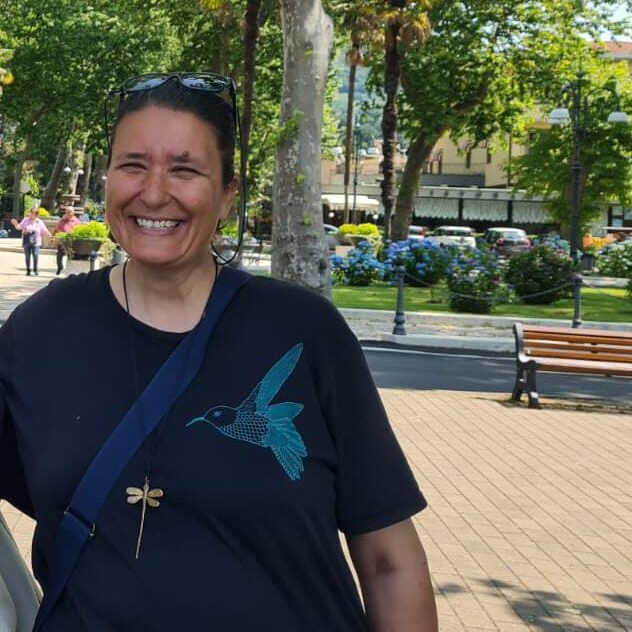
I believe being an ambassador for the place where you were born is a great privilege. Leading Italian and international visitors through the story of Bolsena's artistic, natural and cultural wonders is a stimulating experience that enriches your own knowledge while sharing it with others.
9:00 AM / 7:00 PM
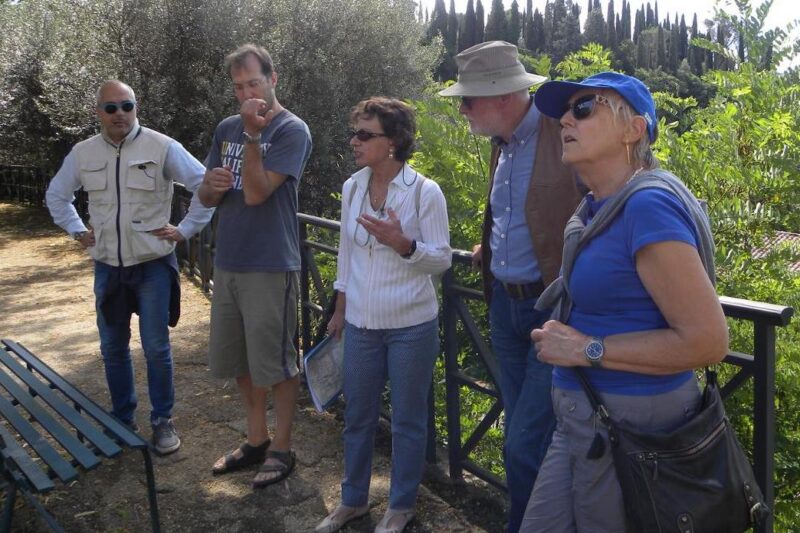
Telling Bolsena's thousand-year history through dedicated guided tours means giving the town back to its people and helping visitors discover our remarkable cultural heritage.
9:00 AM / 7:00 PM