The Basilica of Santa Cristina
The monumental complex of Santa Cristina is the beating heart of Bolsena’s spirituality and history.
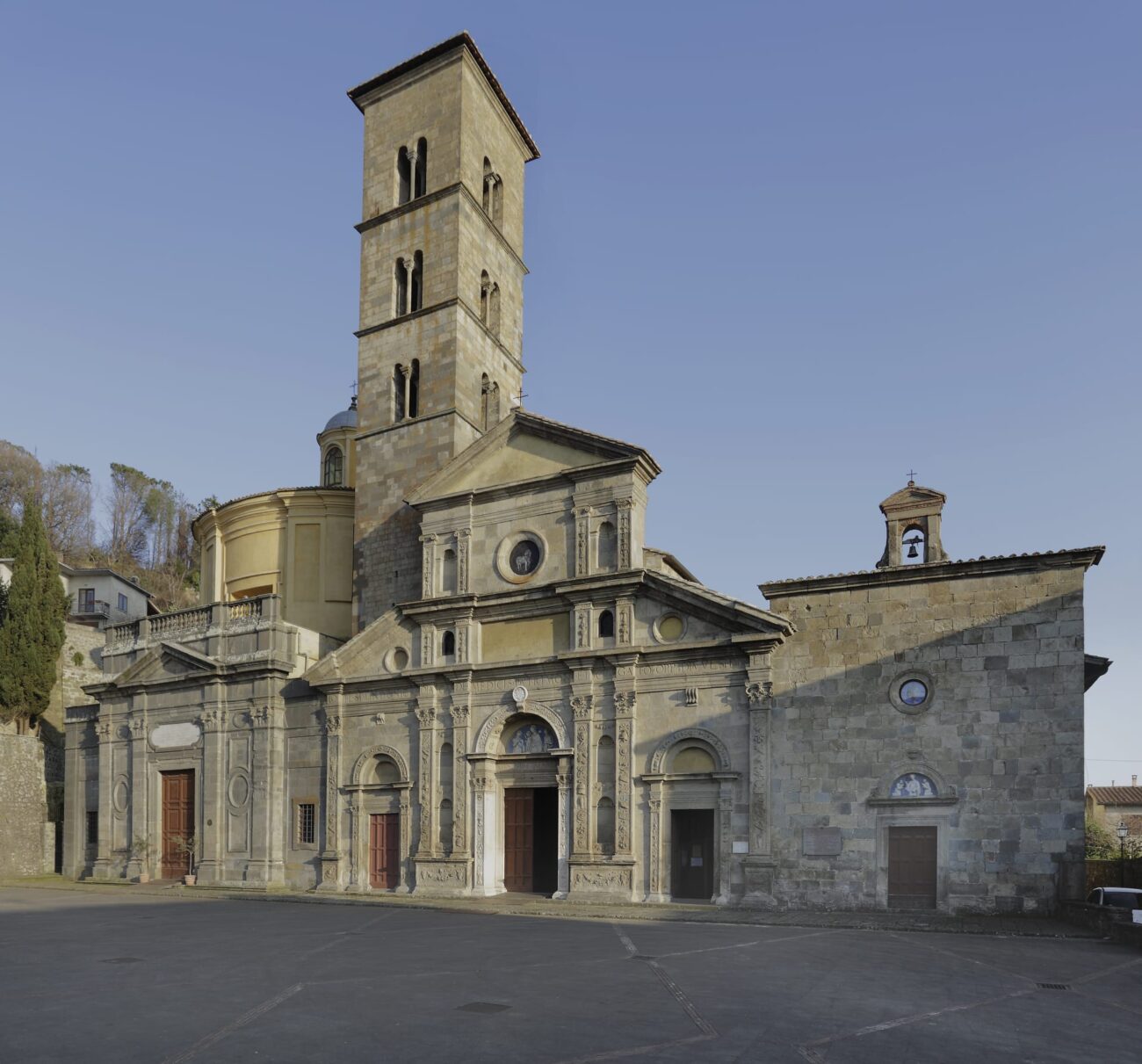
The Basilica, of Romanesque origins, is one of the most
significant places in the city and for centuries has preserved the memory of the young martyr Christina and the testimony of the famous Eucharistic Miracle of 1263.
A Complex of Faith and Art
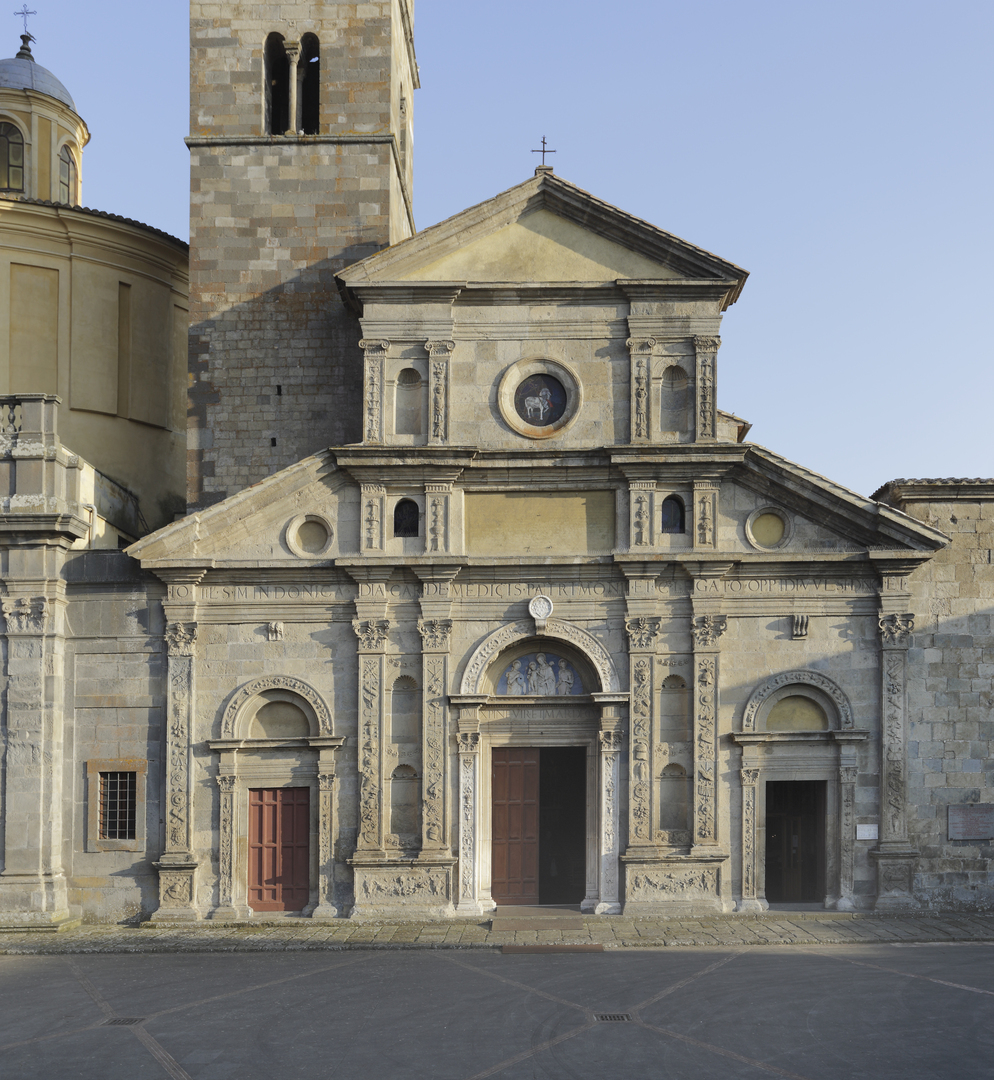
The uniqueness of the Basilica lies in its layout: three distinct churches, built in different eras, merge harmoniously to create a spiritual journey facing the same central square. From the early Christian roots of the catacombs to the elegant lines of the Renaissance, every stone tells a chapter of Italy’s religious history.
-
The Main Basilica and the Renaissance Façade
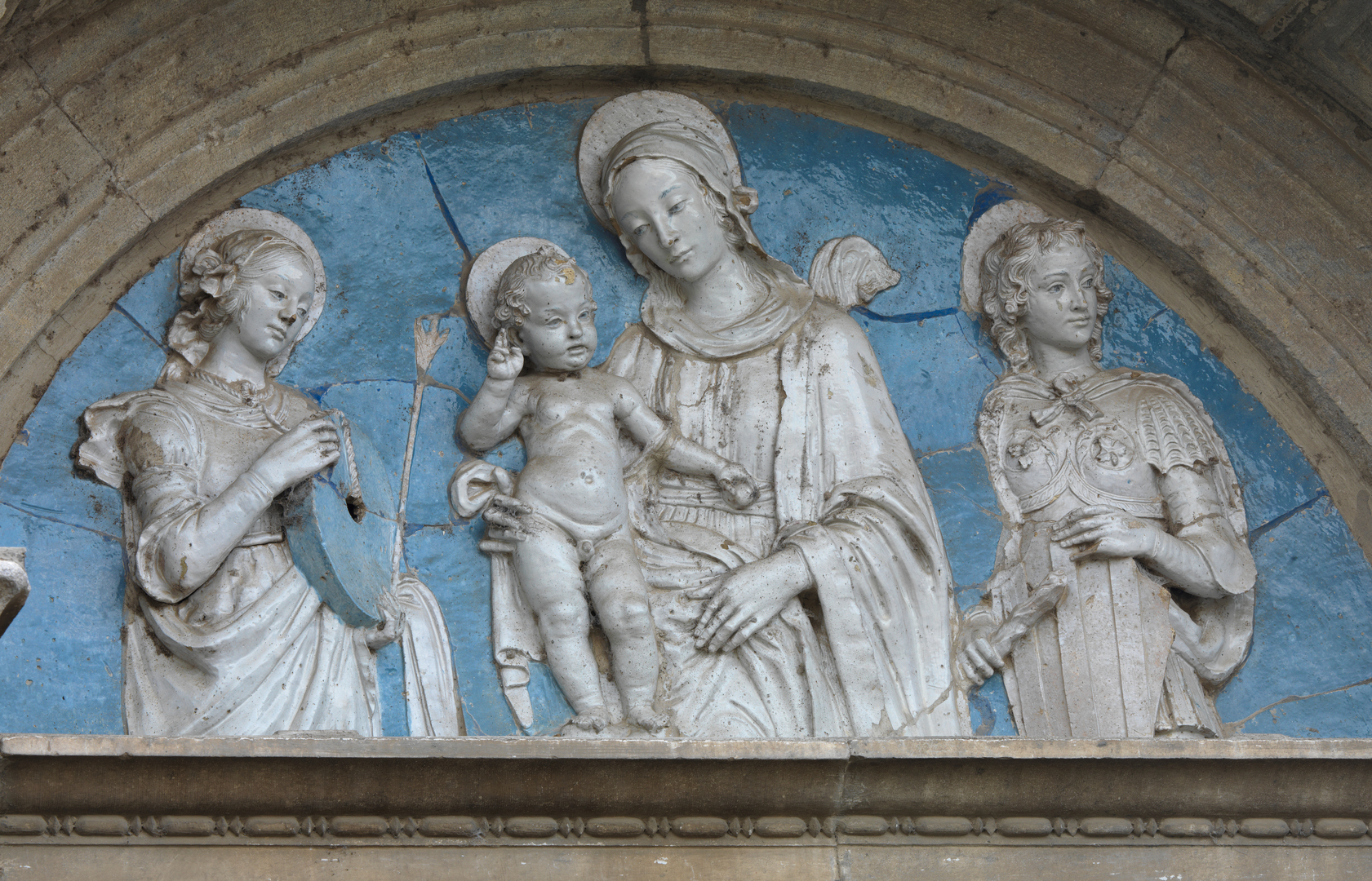
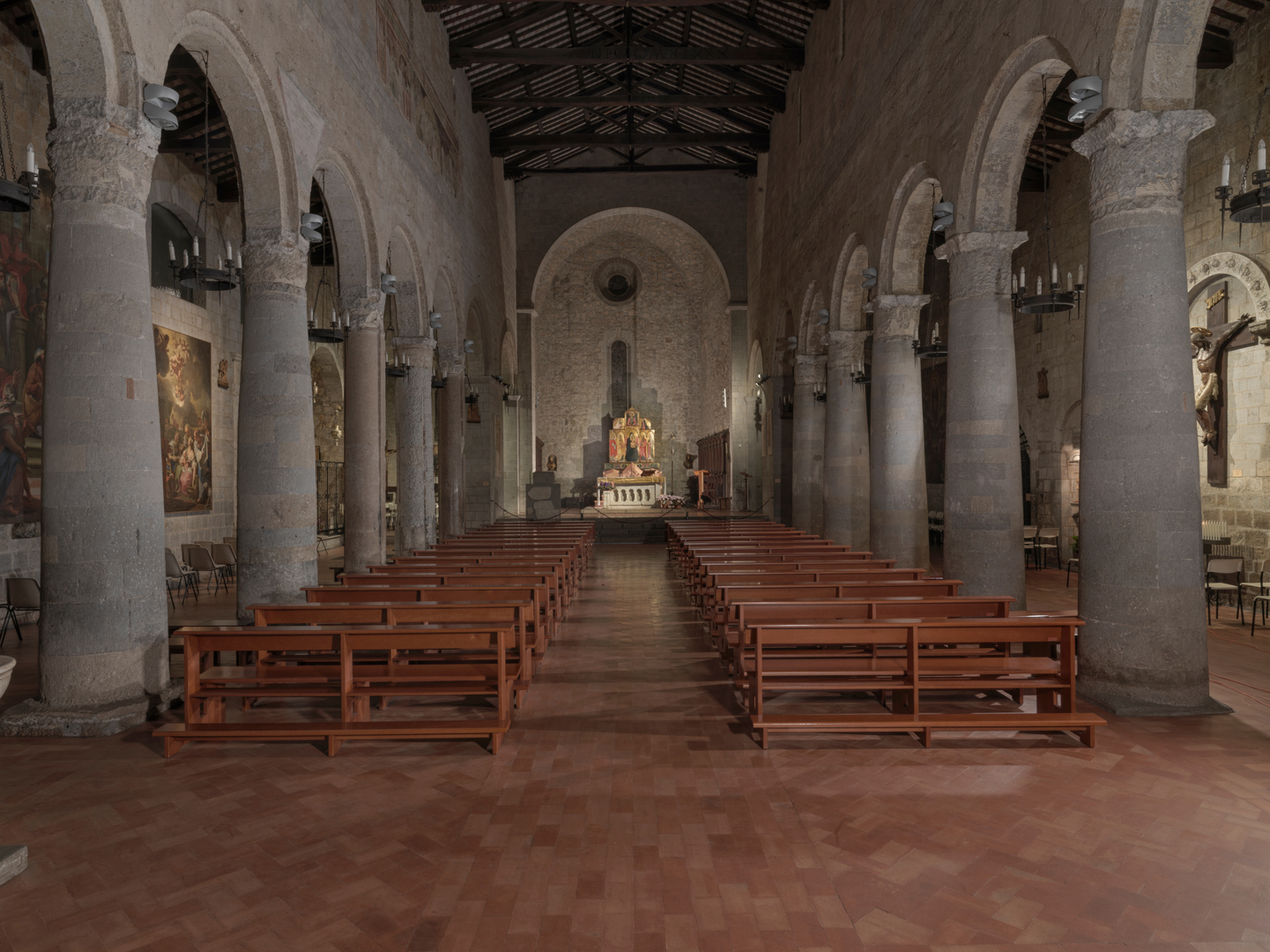
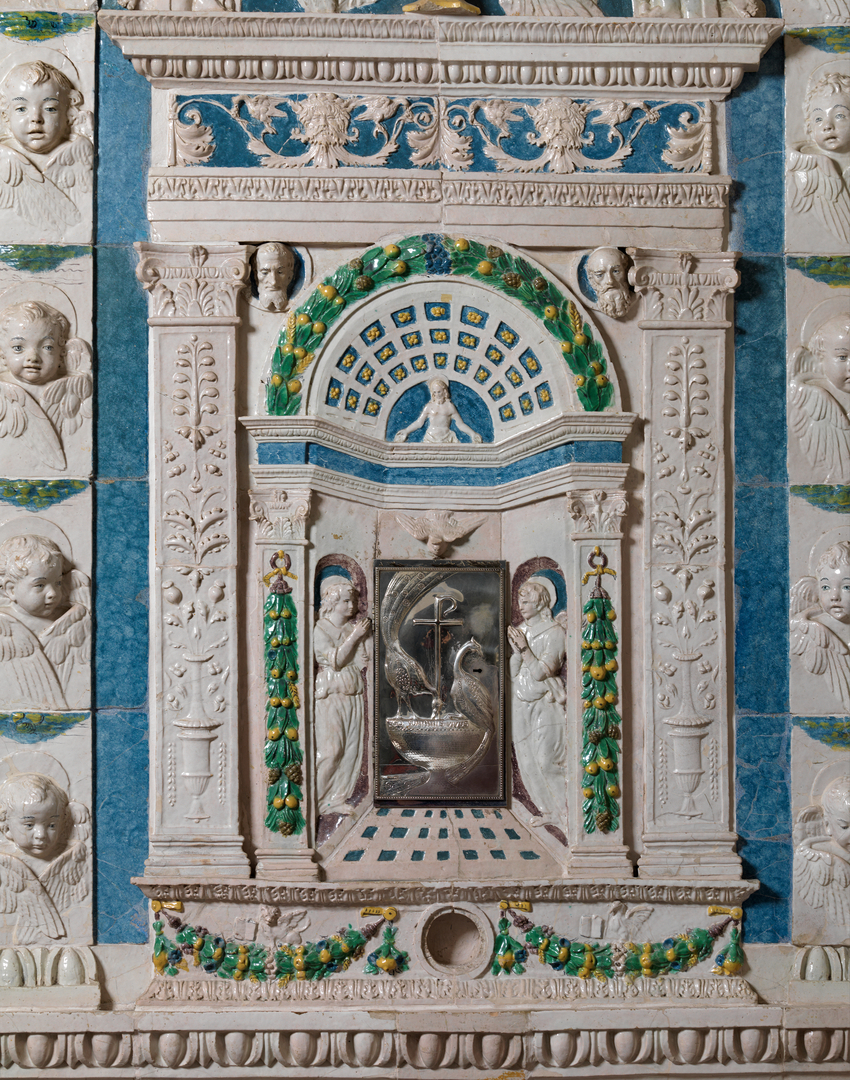
The main façade, a masterpiece of Renaissance refinement, was commissioned at the end of the 15th century by Cardinal Giovanni de’ Medici (the future Pope Leo X), who was then the governor of Bolsena. Inside, the basilica features three naves divided by granite columns taken from the ruins of the Roman city of Volsinii. Key treasures include:
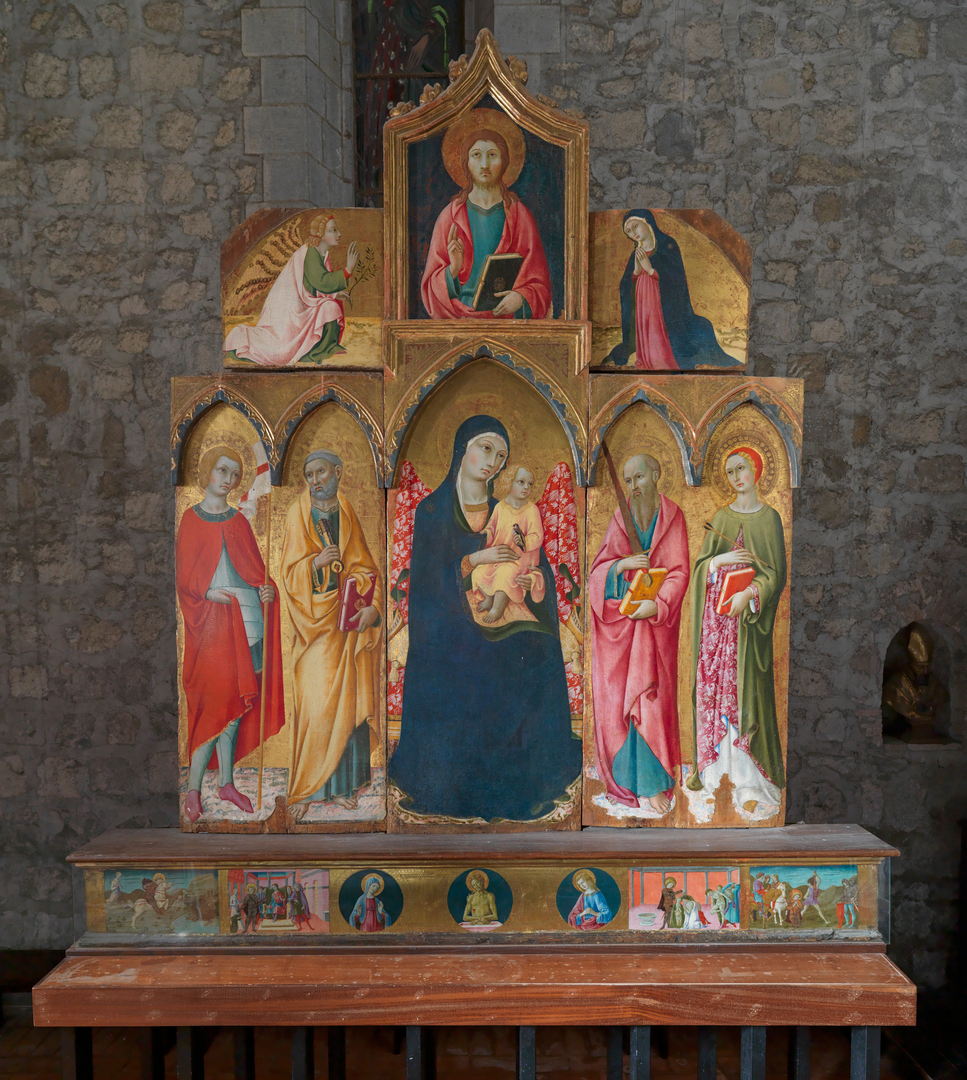
The 15th-century polyptych by Sano di Pietro above the high altar.
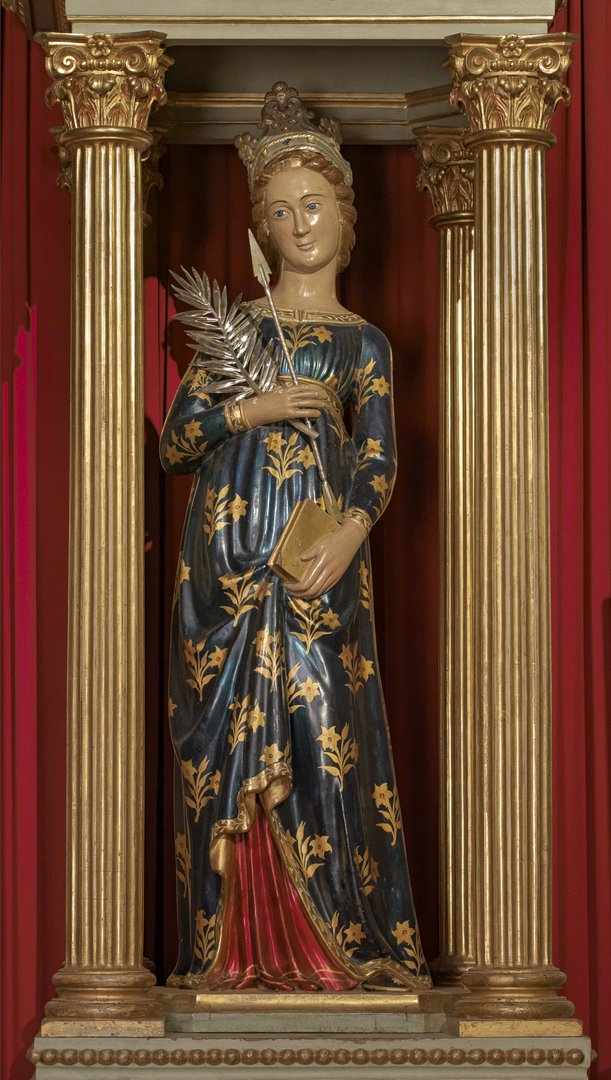
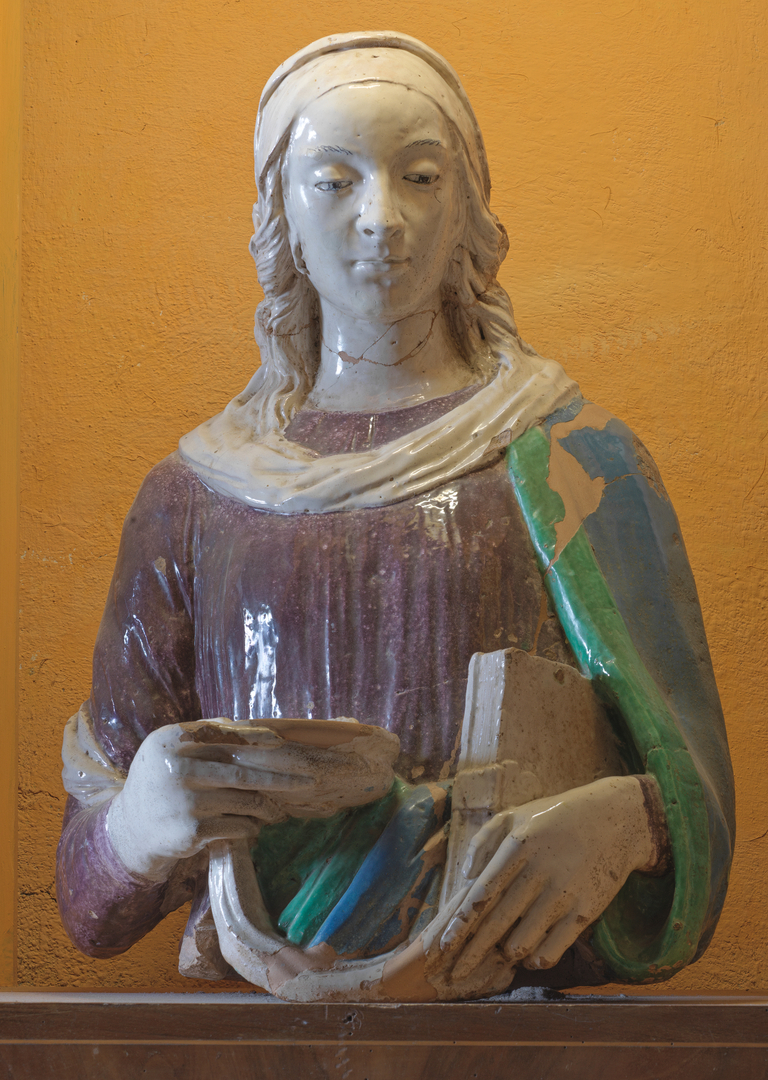
The glazed terracotta bust of Saint Lucy and the statue of the martyr Christina, both works by Benedetto Buglioni.
-
The New Chapel of the Miracle
Built starting in 1693 to provide a worthy home for the Sacred Stones stained by blood during the Miracle of 1263. This Baroque chapel houses a large altarpiece by Francesco Trevisani (1704) depicting the miraculous event. From here, visitors can access the atmospheric Grotto of Saint Christina.
Places of Memory and Miracles
-
The Grotto of Saint Christina and the Altar of the Four Columns
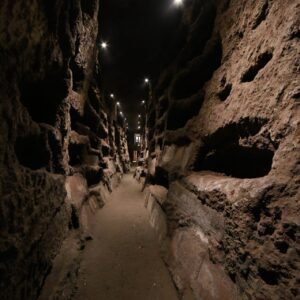
The true soul of the complex, the Grotto is where tradition places both the martyrdom of the Saint and the Eucharistic Miracle. Here stands the Altar of the Miracle, protected by an ancient early-medieval ciborium resting on four columns. Beneath the altar table, you can see the stone bearing the footprints of the young girl, which—according to tradition—miraculously floated on the lake instead of sinking after a stone was tied around her neck.
The Eucharistic Miracle of 1263
Bolsena is known worldwide for the event that led to the institution of the Feast of Corpus Domini. Legend tells of a Bohemian priest, Peter of Prague, who was plagued by doubts regarding the real presence of Christ in the Eucharist. While celebrating Mass at the altar of Santa Cristina, he saw the host begin to bleed. The drops of blood stained the linen corporal (now kept in Orvieto Cathedral) and the stones of the altar, which are still venerated in Bolsena today.
Plan Your Visit

Storyteller of the beauty, art, history and culture of Lake Bolsena and its surroundings, territories where I grew up and which I can share with the professionalism and passion of a local tour guide.
9:00 AM / 7:00 PM
Telling the story of this land is not just about unveiling secrets and frescoes, it is about returning the light that this lake and this town give me every day, with a devotion that transcends time.
9:00 AM / 7:00 PM

My teaching profession has refined my ability to communicate. You cannot teach or illustrate art and creation without sharing a passion for beauty with others. A guide is not a book—it is the synthesis of all books and meaningful experiences from which they have drawn their knowledge, in order to share history and stories with everyone.
9:00 AM / 7:00 PM
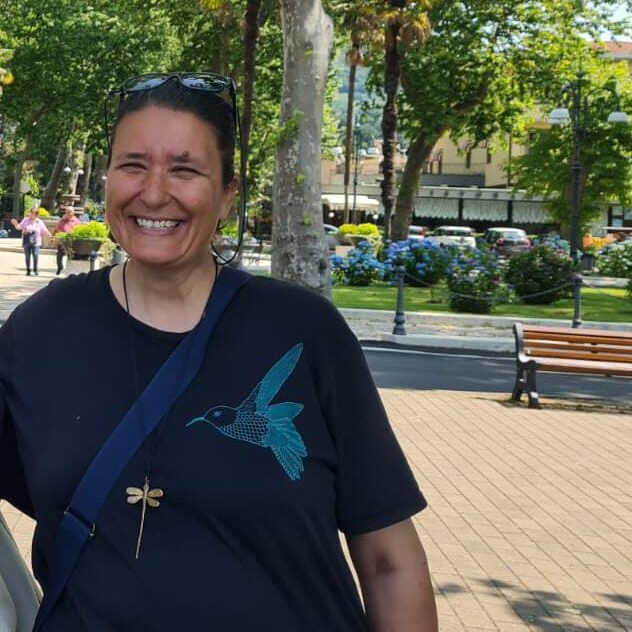
I believe being an ambassador for the place where you were born is a great privilege. Leading Italian and international visitors through the story of Bolsena's artistic, natural and cultural wonders is a stimulating experience that enriches your own knowledge while sharing it with others.
9:00 AM / 7:00 PM
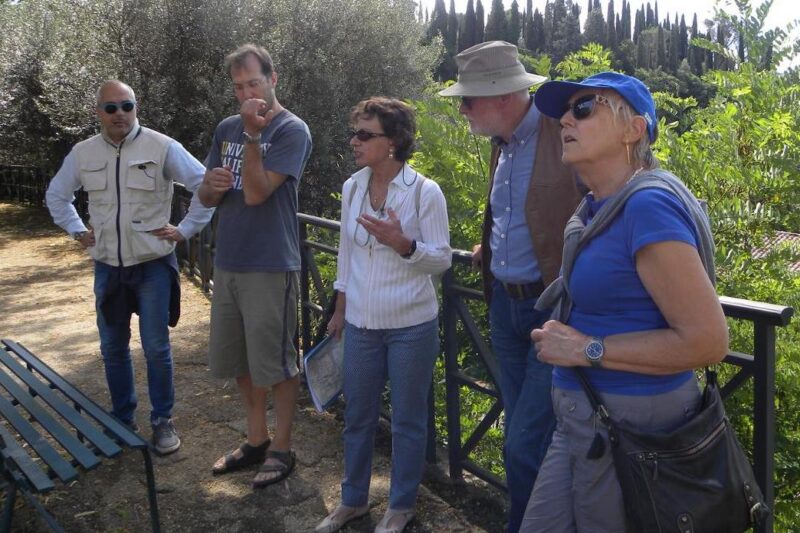
Telling Bolsena's thousand-year history through dedicated guided tours means giving the town back to its people and helping visitors discover our remarkable cultural heritage.
9:00 AM / 7:00 PM